
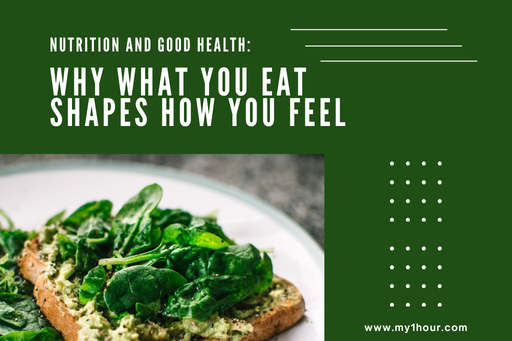
Nutrition and Good Health
Good health is one of the greatest assets of life, and nutrition lies at its core. What we eat directly shapes our physical strength, mental well-being, and resistance to disease. In today’s fast-changing world, however, lifestyle patterns and food habits often work against health. A balanced diet rich in fresh fruits, vegetables, whole grains, lean proteins, and healthy fats ensures strength, mental clarity, and disease prevention Understanding the connection between nutrition and good health is the first step toward building a better future.
Metabolic diseases such as diabetes, obesity, hypertension, and metabolic syndrome are rising rapidly in India. About 11–12% of adults have diabetes, 35% have high blood pressure, and 28–40% are obese, with abdominal obesity being particularly high. The prevalence of metabolic syndrome is around 30% among adults, higher in urban areas and women. Even non-obese individuals are increasingly at risk, highlighting “metabolically unhealthy non-obese” trends. Early lifestyle changes, poor diet, and urbanization are major contributors, and adolescent and young adult populations are showing a concerning increase in risk factors.
Effects of Sedentary Lifestyle
Modern life has reduced physical activity drastically. Prolonged sitting, lack of exercise, and reliance on technology contribute to weight gain, obesity, diabetes, heart disease, and even depression. Without regular activity, even nutritious food cannot be used efficiently by the body. Movement is as essential as healthy eating for good health.
Impact of Processed Foods
The popularity of processed and fast foods has led to diets high in sugar, salt, and unhealthy fats but low in essential nutrients. These foods are addictive, calorie-dense, and poor in quality, leading to obesity, hypertension, digestive issues, and increased risk of chronic illnesses. Replacing processed foods with natural, home-cooked meals is a key step toward better health.
Overeating and Its Consequences
Eating more than the body requires is a growing problem, especially with the easy availability of food. Overeating stretches the digestive system, burdens the liver, raises blood sugar levels, and causes fat accumulation. Over time, it leads to lifestyle diseases such as type 2 diabetes, fatty liver, and heart disease. Portion control and mindful eating can prevent these issues.
The Hidden Danger of Liquid Calories
Sugary drinks, packaged juices, flavored coffees, and energy drinks contribute significantly to daily calorie intake without providing satiety or nutrients. These “liquid calories” often go unnoticed but are a major cause of obesity and poor metabolic health. Choosing water, unsweetened beverages, or traditional drinks like buttermilk, lemon water, and herbal teas is a healthier alternative.
Food Industry Influence and Attraction Toward Marketed Products
The modern food industry strongly shapes dietary habits. Colorful packaging, persuasive advertisements, and endorsements by celebrities create powerful attraction toward unhealthy snacks and sugary drinks. Children and young adults are especially vulnerable, often preferring these products over wholesome meals. This trend not only weakens nutritional intake but also creates lifelong unhealthy eating patterns. Greater consumer awareness and stricter regulations on food marketing are essential to protect public health.
Disappearance of Traditional Recipes
Another silent factor affecting nutrition is the disappearance of traditional recipes. In the past, families relied on home-cooked meals prepared with local, seasonal ingredients that were naturally rich in nutrients. Traditional foods like fermented dishes, millet-based meals, herbal drinks, and slow-cooked curries provided not only nourishment but also cultural identity. With urbanization and fast-paced living, many of these recipes are being replaced by quick, ready-to-eat foods. This shift reduces dietary diversity, weakens the cultural bond with food, and deprives people of time-tested nutritional benefits. Preserving traditional cooking practices is essential for both health and heritage.
Consequences of Lack of Nutrition
Undernutrition and poor-quality diets weaken immunity, slow growth, and reduce energy levels. In children, it leads to stunted growth and learning difficulties, while in adults it causes fatigue, low productivity, and vulnerability to illness. Balanced nutrition is not just about preventing disease, but also about enabling individuals to thrive physically and mentally.
Conclusion
Nutrition is the cornerstone of good health, yet modern lifestyles pose serious challenges. Sedentary habits, processed foods, frequent overeating, liquid calories, aggressive food marketing, and the disappearance of traditional recipes have contributed to the rising prevalence of metabolic diseases in India. Maintaining good health requires conscious choices: consuming balanced, seasonal, and home-cooked meals, staying physically active, practicing portion control, and reviving traditional dietary practices. By adopting mindful eating habits and prioritizing nutrition in daily life, individuals can prevent chronic diseases, enhance physical and mental well-being, and build a foundation for a healthier, more sustainable future

About Author
Dr. Shaveta – Diagnosed with PCOD at 16, found purpose in curing lifestyle disorders through diet & nutrition. 20+ years in medical industry, 95+ clients guided. Specializes in therapeutic diets.